Transform Your Space with Custom Interior Design Services

Updated: Sep 30, 2025

Are you tired of looking at the same old walls and furniture? Do you dream of a space that reflects your personality and style? If so, custom interior design services might be just what you need. Transforming your space can be an exciting journey, and with the right guidance, you can create an environment that feels uniquely yours.
In this blog post, we will explore the benefits of custom interior design services, how to choose the right designer, and some practical tips to get started on your transformation. Let’s dive in!
The Benefits of Custom Interior Design
Custom interior design offers numerous advantages that can enhance your living or working space. Here are some key benefits:
Personalization: Custom design allows you to express your style. You can choose colors, materials, and layouts that resonate with you.
Functionality: A good designer will consider how you use your space. They can create layouts that improve flow and make daily activities easier.
Increased Value: Well-designed spaces can increase the value of your property. A professional touch can make a significant difference when it comes time to sell.
Expert Guidance: Designers have experience and knowledge about trends, materials, and layouts. They can help you avoid costly mistakes.
Time-Saving: Designing a space can be time-consuming. A designer can streamline the process, allowing you to focus on other important aspects of your life.
Custom interior design is not just about aesthetics; it’s about creating a space that works for you.
Choosing the Right Interior Designer
Finding the right designer is crucial for a successful project. Here are some tips to help you choose wisely:
Define Your Style: Before you start looking for a designer, take some time to define your style. Browse magazines, websites, and social media for inspiration. This will help you communicate your vision clearly.
Research Designers: Look for designers in your area. Check their websites and portfolios to see their previous work. Look for styles that resonate with you.
Read Reviews: Customer reviews can provide insight into a designer’s work ethic and reliability. Look for feedback on their communication, creativity, and ability to meet deadlines.
Schedule Consultations: Meet with potential designers to discuss your project. This is a great opportunity to gauge their understanding of your vision and their ability to bring it to life.
Discuss Budget: Be upfront about your budget. A good designer will work within your financial constraints and help you prioritize your spending.
Choosing the right designer can make all the difference in your project’s success.
Practical Tips for Your Interior Design Project
Once you have chosen a designer, it’s time to get started. Here are some practical tips to ensure a smooth process:
Set Clear Goals
Before the design process begins, set clear goals for your space. Consider what you want to achieve. Do you need more storage? Are you looking for a cozy atmosphere? Having clear goals will guide the design process.
Create a Mood Board
A mood board is a visual representation of your design ideas. Collect images, colors, and materials that inspire you. This will help your designer understand your vision and preferences.
Be Open to Suggestions
While it’s important to have your own ideas, be open to your designer’s suggestions. They have experience and may offer solutions you hadn’t considered. Collaboration can lead to a more successful outcome.
Stay Involved
Stay involved throughout the process. Regular check-ins with your designer can help ensure that the project stays on track and aligns with your vision.
Trust the Process
Designing a space takes time. Trust your designer and the process. Good design doesn’t happen overnight, and patience can lead to beautiful results.
Transforming Different Spaces
Custom interior design can transform various types of spaces. Here are some examples:
Living Rooms
Your living room is often the heart of your home. A designer can help create a comfortable and inviting space. Consider a layout that encourages conversation and relaxation.
Kitchens
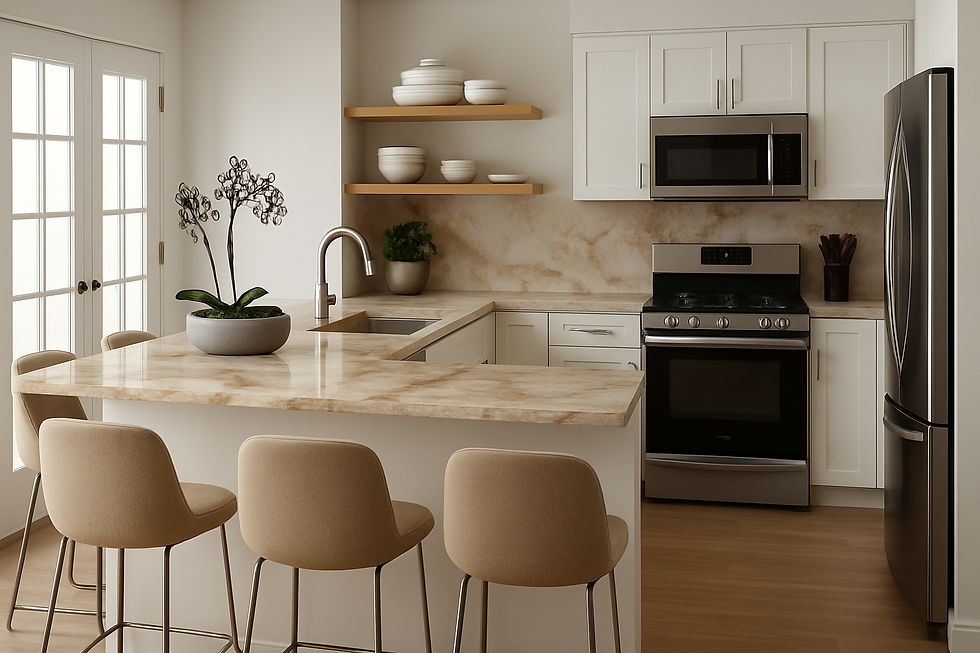
Kitchens are functional spaces that can also be stylish. A designer can help you choose cabinetry, countertops, and appliances that fit your style and needs.
Bedrooms
Your bedroom should be a sanctuary. Custom design can help create a calming atmosphere with the right colors, textures, and layouts.
Offices
With more people working from home, a well-designed office is essential. A designer can help create a productive environment that minimizes distractions.
Outdoor Spaces
Don’t forget about outdoor areas. Custom design can enhance patios, gardens, and balconies, making them enjoyable extensions of your home.
The Role of Color in Interior Design
Color plays a significant role in interior design. It can influence mood and perception. Here are some tips for using color effectively:
Choose a Color Palette: Select a cohesive color palette that reflects your style. Consider using a mix of neutral and bold colors for balance.
Use Color Psychology: Different colors evoke different feelings. For example, blue can create a calming effect, while yellow can energize a space.
Accent Walls: Consider using an accent wall to add depth and interest. This can be a great way to incorporate a bold color without overwhelming the space.
Test Samples: Always test paint samples on your walls before making a final decision. Lighting can change how colors appear.
Color can dramatically change the feel of a space, so choose wisely.
Incorporating Texture and Patterns
Texture and patterns can add depth and interest to your design. Here are some ways to incorporate them:
Layer Textures: Use a mix of materials, such as wood, metal, and fabric, to create a rich, layered look.
Patterns in Fabrics: Consider using patterned fabrics for cushions, curtains, or rugs. This can add visual interest without overwhelming the space.
Accent Pieces: Use textured accent pieces, such as woven baskets or ceramic vases, to add character to your design.
Texture and patterns can elevate your space and make it feel more inviting.
Lighting Matters
Lighting is a crucial element in interior design. It can enhance the mood and functionality of a space. Here are some tips for effective lighting:
Layered Lighting: Use a combination of ambient, task, and accent lighting to create a well-lit space. This allows for flexibility in how the space is used.
Natural Light: Maximize natural light by using sheer curtains or strategically placing mirrors. Natural light can make a space feel larger and more inviting.
Statement Fixtures: Consider using statement light fixtures as focal points. A unique chandelier or pendant light can add personality to your design.
Good lighting can transform a space and enhance its overall appeal.
Final Thoughts on Your Design Journey
Transforming your space with custom interior design services can be a rewarding experience. It allows you to create an environment that reflects your personality and meets your needs.
By choosing the right designer, setting clear goals, and being open to collaboration, you can achieve a beautiful and functional space. Remember to consider color, texture, and lighting as you embark on this journey.
Your dream space is within reach, and with the right approach, you can make it a reality. Embrace the process and enjoy the transformation!


Comments